
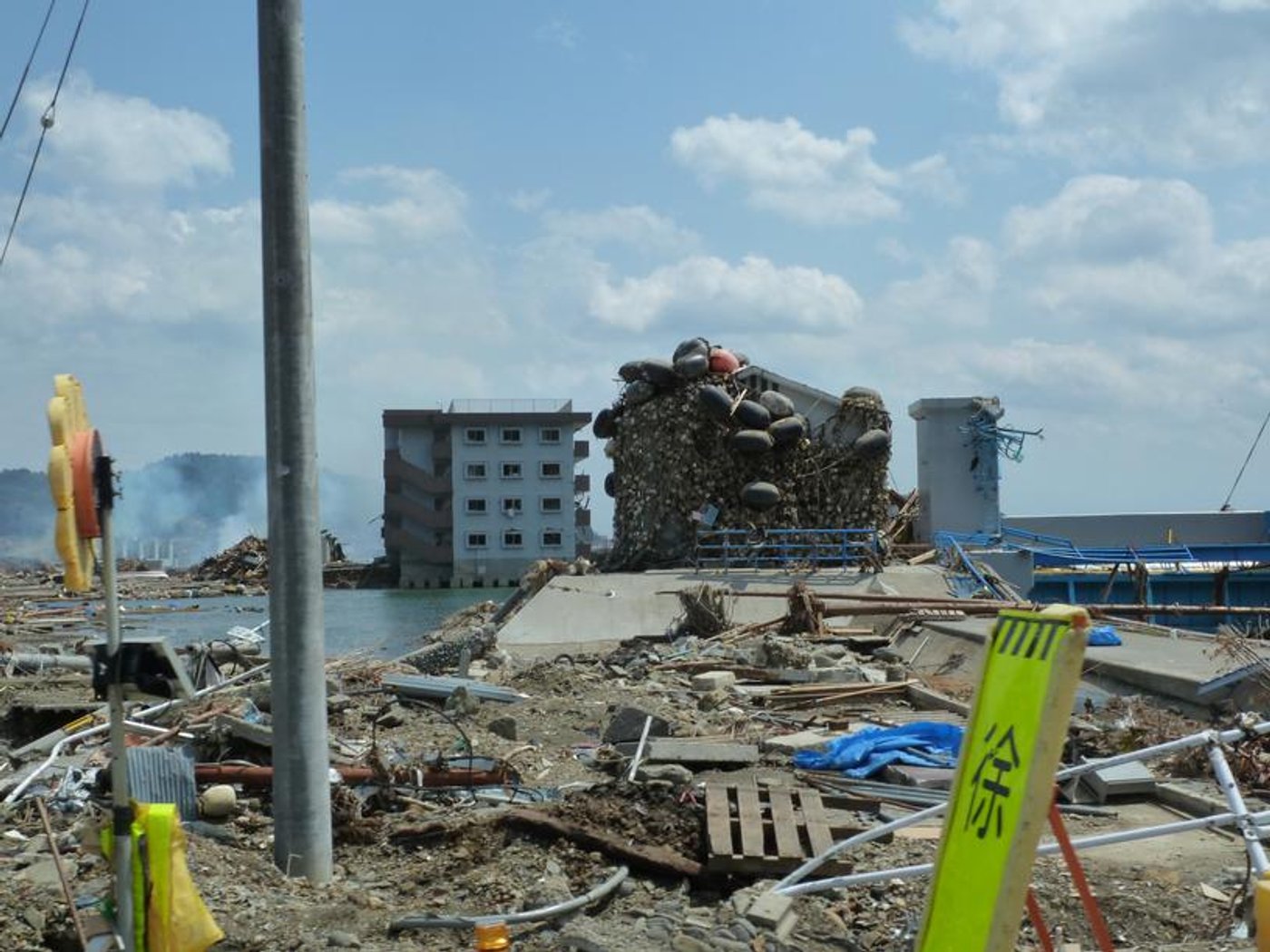
Physicians for Social Responsibility sought to establish environmental risk, across both climate change and nuclear hazards, as a direct public health issue. This included long-term threats like climate change and acute crises such as the Fukushima Daiichi nuclear disaster.
Public understanding was fragmented. Climate change was treated as political or environmental, nuclear incidents as technical failures. In both cases, the human health consequences were obscured, limiting urgency, distorting risk, and weakening policy relevance.
Caplan Communications positioned physicians as frontline interpreters of risk, advancing climate as a health crisis, elevating medical voices during high-stakes moments, and translating complex science into clear human consequence. Environmental threats moved from abstract debate to immediate public health reality, anchored in medical authority.
Environmental risk moved from abstract or technical debate to immediate human consequence, understood through the authority of medical expertise.
This work helped establish the now-dominant frame of climate change as a public health crisis while demonstrating how physician voices can clarify risk, stabilize public understanding, and shape policy in moments of uncertainty.