
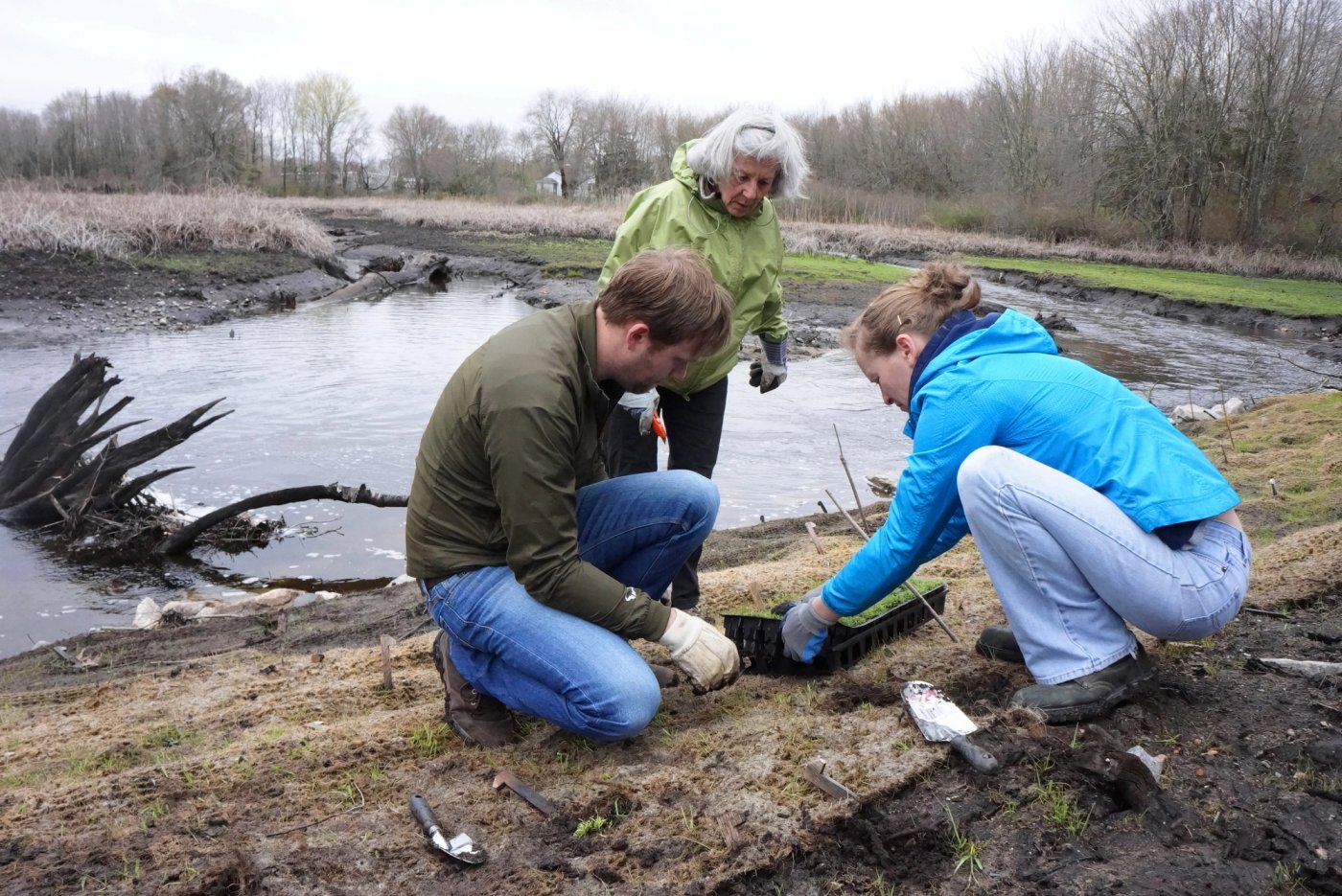
Through the Environmental Protection Agency's Community Change Grants (CCG) program, Track II funding supports disadvantaged communities in participating directly in environmental and climate decision-making, shifting engagement from outreach to governance.
Federal programs often require "community engagement," but the process can become procedural, meetings held, comments submitted, without affecting outcomes. Complex requirements, technical language, and fragmented coordination across applicants, agencies, and partners can limit how community priorities are understood or acted upon.
Caplan Communications worked directly with multiple applicants across the country within a compressed federal funding cycle, supporting dozens of proposals competing for Track II awards. Operating across this portfolio, we translated complex environmental and policy issues into clear, decision-ready narratives aligned with NOFO requirements and evaluation criteria. We structured engagement so community priorities were clearly defined, documented, and positioned to carry weight in federal review. This required coordinating across community organizations, public agencies, and implementation partners, ensuring proposals were not only compliant, but coherent and credible under deadline pressure. Engagement was designed as part of how proposals demonstrated readiness and impact, not as a standalone activity.
Engagement moved from a requirement to a function. Community input was positioned not as feedback, but as evidence, clearly articulated, accessible, and directly relevant to funding decisions and future governance.
This work demonstrates how communications can operate inside federally funded systems, strengthening environmental justice through structured participation that influences outcomes. It also reflects a national vantage point across multiple applicants, providing direct insight into how federal reviewers assess clarity, engagement, and implementation readiness at scale.