
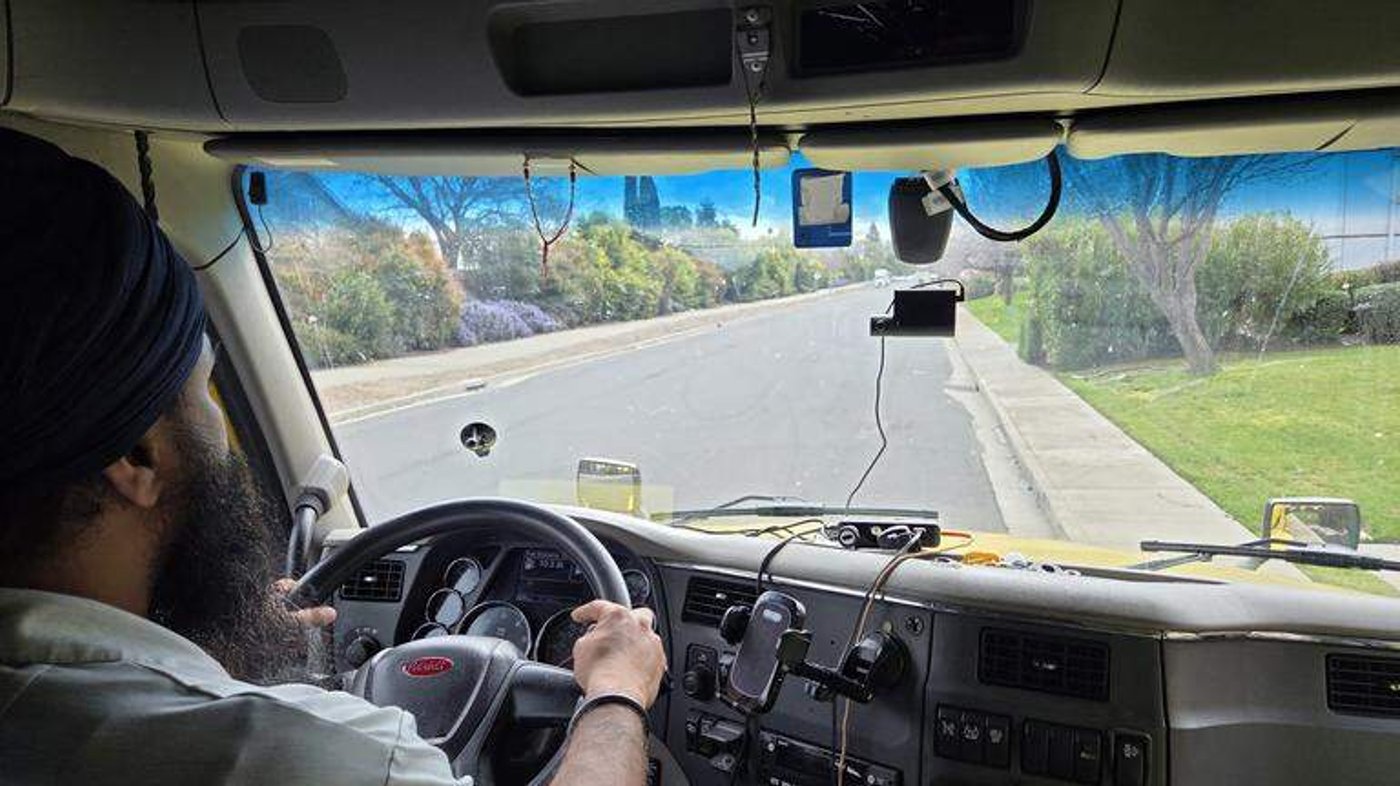
A wave of CDL enforcement actions in California put thousands of immigrant truck drivers, many legally authorized to work, at immediate risk of losing their licenses, threatening family livelihoods, freight movement, and the stability of the supply chain.
Federal regulators framed the rule as a safety measure. But the policy did not strengthen safety standards, compliance systems, or implementation clarity for states. Instead, it introduced ambiguity. State DMVs applied it inconsistently, often without notice, hearings, or procedural safeguards, while enabling bias, profiling, and subjective roadside enforcement. The result was not improved safety, but a breakdown in due process that risked being mischaracterized as routine compliance.
Caplan Communications partnered with UNITED SIKHS to surface that contradiction and redefine the terms of the debate. We built the Freedom Drivers platform to document real-time impact, aligned communications with active legal filings, and executed a disciplined earned-media strategy linking individual cases to a systemic pattern of institutional failure.
The story moved from "safety-driven enforcement" to a clearer conclusion: the policy did not operate as a safety measure. It functioned as a discretionary enforcement regime, one that allowed legally authorized drivers to lose their livelihoods without due process while exposing them to subjective treatment in the field. Drivers were repositioned as essential workers harmed by a preventable failure in policy design and implementation.
The campaign generated coast-to-coast coverage across national broadcast, print, and policy outlets, prompting scrutiny of enforcement practices, elevating due-process concerns, and establishing UNITED SIKHS as a leading national voice on civil rights and workforce fairness.


